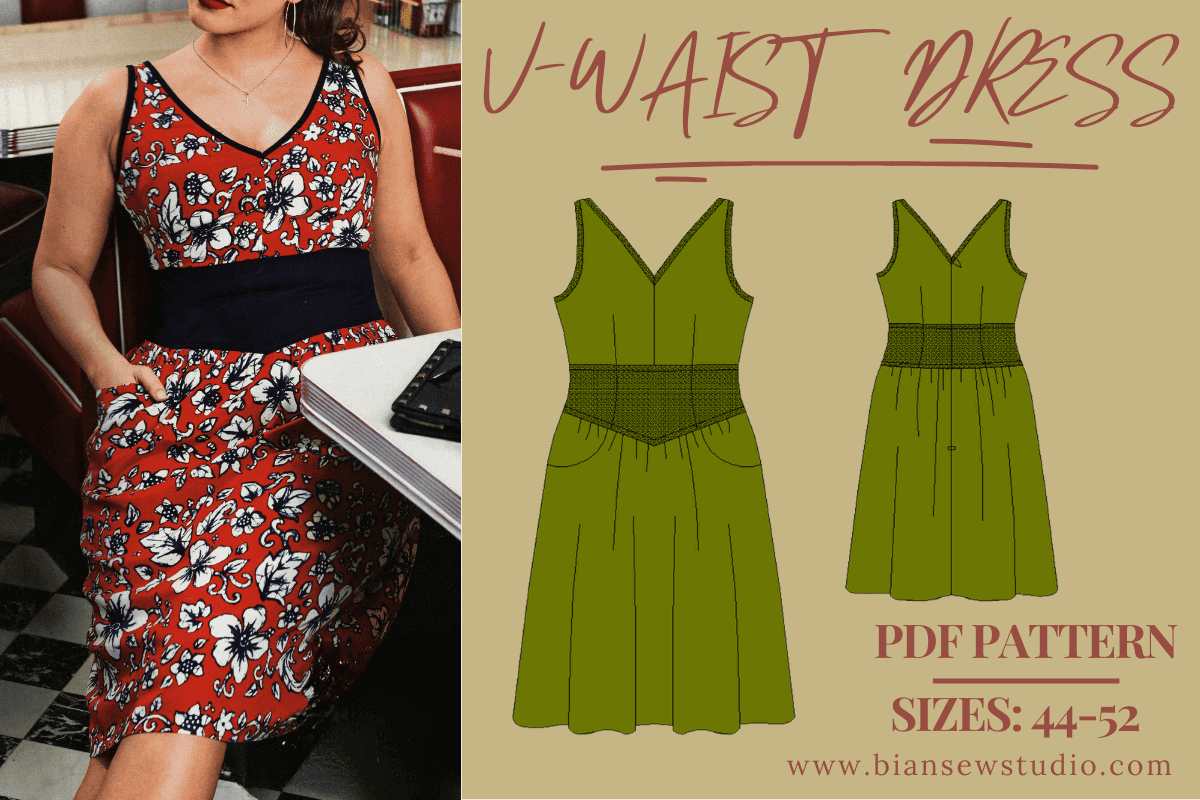
V-Waist Dress β Free PDF Pattern for Sizes 44β52
Looking for a dress that flatters your waist and makes you feel fabulous?
The V-Waist Dress pattern is here to help you create a truly unique and confident look β and the best part? Itβs completely free to download! π
β¨ Why youβll love this pattern
π Designed to shape and enhance your natural curves
π¨ Great for printed fabrics β a contrasting solid waistband highlights your waist
π§΅ Beginner to intermediate-friendly sewing project
π₯ Free PDF pattern in sizes 44β52
π§Ί Suitable for casual days or dressed-up occasions
π Details
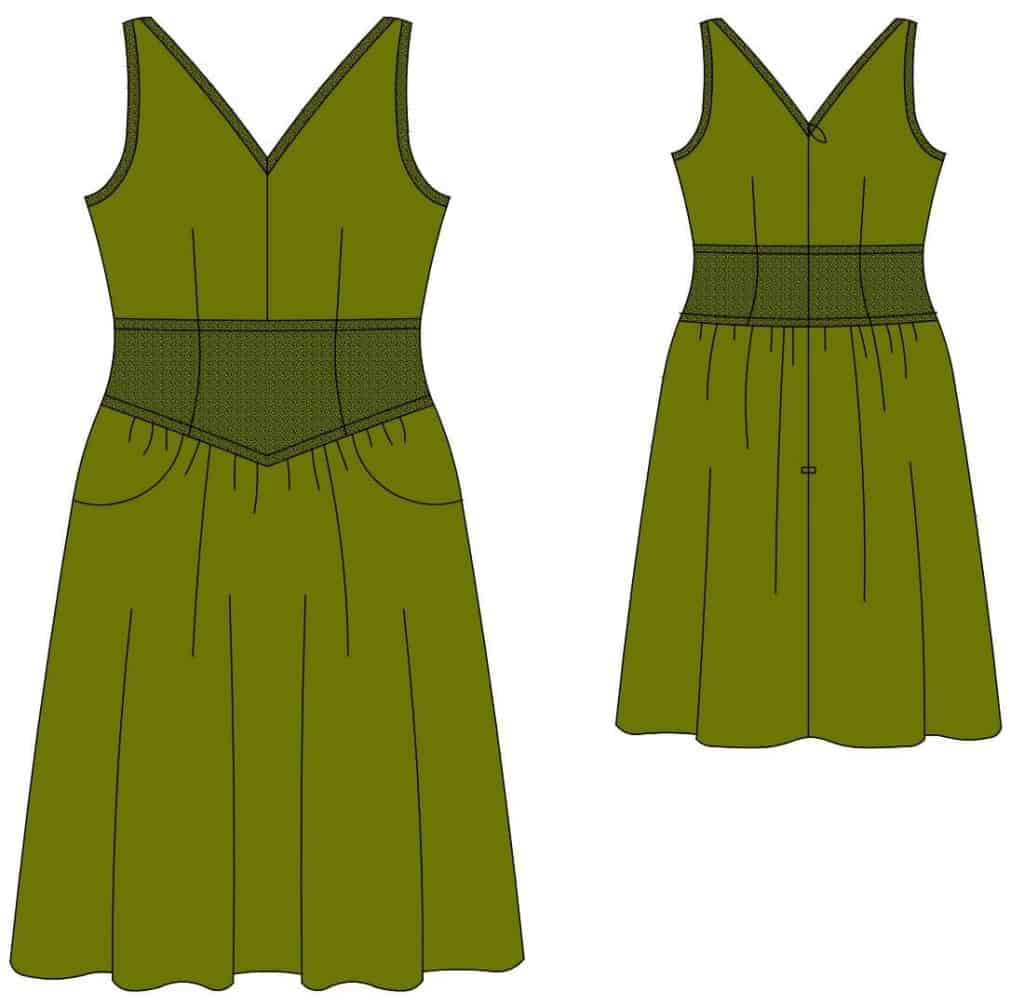
V-neckline front and back
Wide V-shaped waistband for definition
Skirt with subtle gathers and integrated pockets
Armhole and neckline finished with binding
Invisible zipper in the back
π¬ Styling tip
A solid waistband cut from one of the colors in your print creates a cohesive and elegant finish β especially for busy prints.
This simple trick makes your handmade dress look extra professional!
Real story: Confidence and comfort
I made this dress for myself from a bold floral jersey.
The flattering V-shape waistband makes my waist pop, and the soft stretchy fabric is super comfy.
It quickly became one of my favorite makes β and now Iβm sharing it with you too!
π Download the free pattern here:
Download it now and start creating something special!
πΈ Share your version! Use hashtag #bianseswstudio to show your V-Waist Dress on Instagram or Facebook. I love seeing what you create! π
Sewing Notes
Here are some essential tips for a successful sewing project:
Choosing the Right Size & Fit
- Always choose the size based on your body measurements, not your ready-to-wear size. Check the measurement chart included with the pattern.
- If adjustments are needed, make them before cutting the fabric. Lengthen or shorten the pattern by slashing and spreading or overlapping the pieces, securing with tape.
- For garments, check the ease allowance in the pattern. Some designs include negative ease (smaller than body measurements) for a snug fit, while others have extra room for comfort.
Fabric Recommendations
- Choose a fabric that matches the patternβs suggested stretch percentage (e.g., 50% stretch means 10 cm fabric should stretch to 15 cm).
- Fabrics with poor recovery (not bouncing back after stretching) can result in wavy seams or a stretched-out garment. To prevent this, select a knit fabric with spandex/Lycra content.
- Preshrink your fabric by washing and drying it the same way you will care for the finished project.
Cutting & Preparation
- Iron your fabric before cutting to remove any creases. Use the correct heat setting based on the fiber content (low heat for synthetics, high heat for natural fibers).
- When placing pattern pieces, ensure the grainline is parallel to the fabric selvage to maintain the correct drape.
- Cut small, precise notches (about 1/8β or 0.3 cm) to avoid weakening the seam allowances.
Sewing & Finishing
- Use a stretch or ballpoint needle for knit fabrics to avoid skipped stitches. If stitches are skipping, try a slightly larger needle size.
- If seams appear wavy, try using a walking foot or adjusting the differential feed on an overlocker.
- Use a stretch stitch or zigzag stitch to maintain flexibility in the seams. If seams crack under stress, check the stitch type and use polyester thread instead of cotton.
- When pressing seams, lift the iron between sections instead of gliding it to prevent stretching out the fabric.
By following these guidelines, youβll achieve a professional-looking finish and a well-fitting garment or accessory. Happy sewing! π§΅βοΈ


This Post Has 4 Comments
Thank You
I love it.
wonderful
Thx!