Simple Yet Stylish – Free Skirt Pattern in Three Lengths
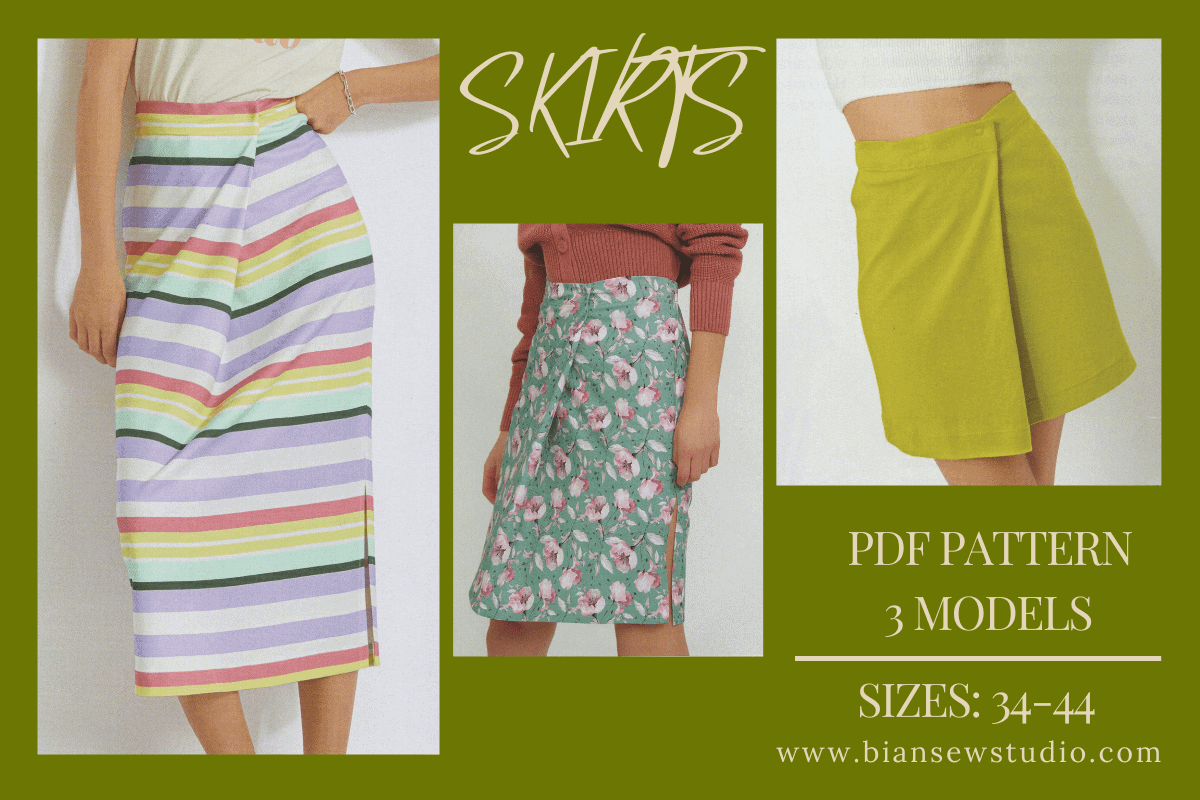
Looking for an easy-to-make, yet versatile skirt sewing project? You’re in the right place! In this blog post, you can download the Bian Sew Studio’s latest free skirt pattern, which includes three different length options:
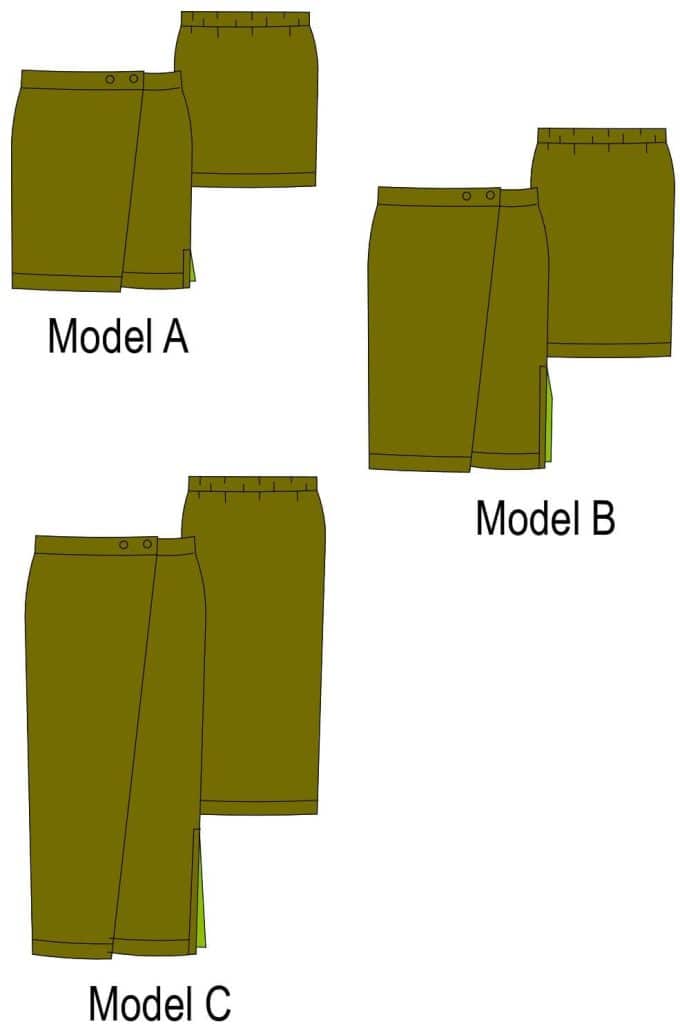
Model A: 46 cm – mini skirt
Model B: 60 cm – knee-length skirt
Model C: 88 cm – elegant maxi skirt
🧵 Perfect for Beginners
The pattern is designed to be simple and straightforward, so even beginners can confidently sew it! The free downloadable version includes:
the printable sewing pattern (for all 3 models)
the full materials and tools list
a list of pattern pieces to cut
a detailed size chart
Important: The pattern does not include seam allowance. We recommend adding:
1.5 cm (0.6 in) seam allowance on all edges
3 cm (1.2 in) hem allowance at the bottom
👇 Download the free pattern here:
Download it now and start creating something special!
Want Step-by-Step Instructions?
If you prefer a more detailed guide, or want to follow along with step-by-step photo instructions, we’ve got you covered! The premium version includes:
clear illustrated instructions
detailed explanations for each step
beginner-friendly sewing tips
Difficult level
Models
Sewing Notes
Here are some essential tips for a successful sewing project:
Choosing the Right Size & Fit
- Always choose the size based on your body measurements, not your ready-to-wear size. Check the measurement chart included with the pattern.
- If adjustments are needed, make them before cutting the fabric. Lengthen or shorten the pattern by slashing and spreading or overlapping the pieces, securing with tape.
- For garments, check the ease allowance in the pattern. Some designs include negative ease (smaller than body measurements) for a snug fit, while others have extra room for comfort.
Fabric Recommendations
- Choose a fabric that matches the pattern’s suggested stretch percentage (e.g., 50% stretch means 10 cm fabric should stretch to 15 cm).
- Fabrics with poor recovery (not bouncing back after stretching) can result in wavy seams or a stretched-out garment. To prevent this, select a knit fabric with spandex/Lycra content.
- Preshrink your fabric by washing and drying it the same way you will care for the finished project.
Cutting & Preparation
- Iron your fabric before cutting to remove any creases. Use the correct heat setting based on the fiber content (low heat for synthetics, high heat for natural fibers).
- When placing pattern pieces, ensure the grainline is parallel to the fabric selvage to maintain the correct drape.
- Cut small, precise notches (about 1/8” or 0.3 cm) to avoid weakening the seam allowances.
Sewing & Finishing
- Use a stretch or ballpoint needle for knit fabrics to avoid skipped stitches. If stitches are skipping, try a slightly larger needle size.
- If seams appear wavy, try using a walking foot or adjusting the differential feed on an overlocker.
- Use a stretch stitch or zigzag stitch to maintain flexibility in the seams. If seams crack under stress, check the stitch type and use polyester thread instead of cotton.
- When pressing seams, lift the iron between sections instead of gliding it to prevent stretching out the fabric.
By following these guidelines, you’ll achieve a professional-looking finish and a well-fitting garment or accessory. Happy sewing! 🧵✂️