A versatile sewing pattern with elegant curves that flatter every body shape
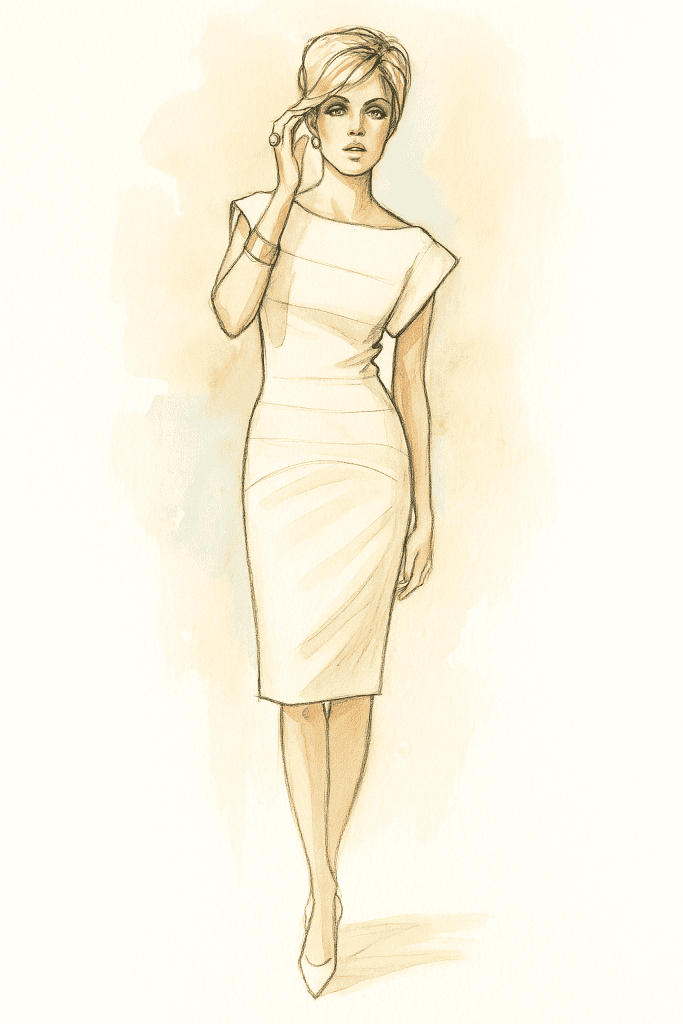
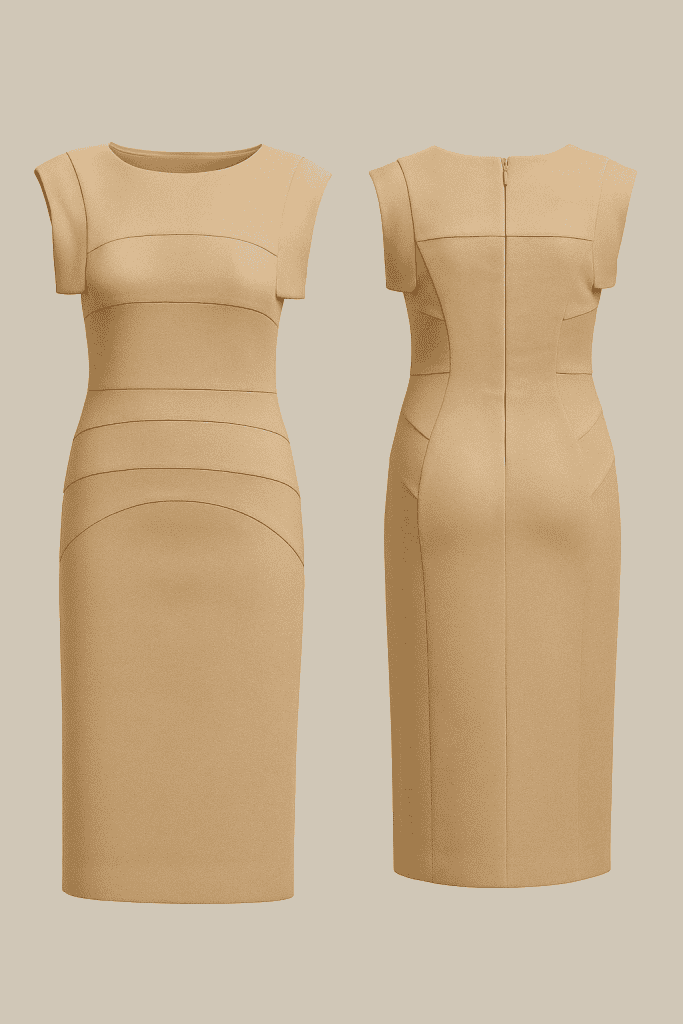
I’m so excited to share another brand-new sewing pattern with you – The Luna Curve Dress! 🌸 This design was created especially for petite figures, highlighting delicate lines while balancing strong structure and soft curves. The contrast creates a unique and elegant look that is both timeless and versatile.
Where to Wear It
This dress is the perfect piece to take you from day to night. You can wear it to so many different occasions, such as:
a wedding
a cocktail party
a business meeting
at the office
a romantic dinner date
With the right styling, this dress can easily shift from professional to chic, making it a wonderful addition to your handmade wardrobe.
What You’ll Find in This Pattern
When you download this free dress sewing pattern, you’ll get everything you need to create your own Luna Curve Dress:
📄 A printable sewing pattern (PDF)
✂️ Fabric requirements
🧵 Recommended fabric types
📐 A cutting layout for easy guidance
🎯 Skill level: Learning (perfect for ambitious beginners!)
Style Tips
This dress can be styled for any season or event:
For colder weather, wear it with boots and a turtleneck layered underneath.
For formal events, pair it with high heels and delicate gold jewelry for an elegant, polished look.
Why You’ll Love Sewing This Dress
The Luna Curve Dress is more than just a sewing project—it’s an opportunity to build confidence and creativity. Whether you’re new to sewing or already on your journey, this dress will help you practice important techniques while creating something you’ll truly enjoy wearing.
✨ Download the free Luna Curve Dress pattern today and start sewing your new favorite outfit!
Who is it for?
This pattern is made for women under 160 cm (5’3”) who want a dress that truly fits their proportions. If you’re tired of adjusting commercial patterns to fit your frame, this one is made for you.
Download it for free!
You can download the Luna curve dress pattern for free from my website – click the button below and start sewing your very own breezy top.
Happy sewing!
– Bianka | Bian Sew Studio
Not sure where to start? I’ve created a detailed, beginner-friendly sewing guide with a detailed description of the sewing steps to walk you through every step. It’s available in my shop!
Download it now and start creating something special!
Tag me on Instagram (@biansewstudio) or use the hashtag #LunaCurveDress to show off your handmade beauty – I’d love to see your take on it! Start stitching your dream summer dress today 💛
Sewing Notes
Here are some essential tips for a successful sewing project:
Choosing the Right Size & Fit
- Always choose the size based on your body measurements, not your ready-to-wear size. Check the measurement chart included with the pattern.
- If adjustments are needed, make them before cutting the fabric. Lengthen or shorten the pattern by slashing and spreading or overlapping the pieces, securing with tape.
- For garments, check the ease allowance in the pattern. Some designs include negative ease (smaller than body measurements) for a snug fit, while others have extra room for comfort.
Fabric Recommendations
- Choose a fabric that matches the pattern’s suggested stretch percentage (e.g., 50% stretch means 10 cm fabric should stretch to 15 cm).
- Fabrics with poor recovery (not bouncing back after stretching) can result in wavy seams or a stretched-out garment. To prevent this, select a knit fabric with spandex/Lycra content.
- Preshrink your fabric by washing and drying it the same way you will care for the finished project.
Cutting & Preparation
- Iron your fabric before cutting to remove any creases. Use the correct heat setting based on the fiber content (low heat for synthetics, high heat for natural fibers).
- When placing pattern pieces, ensure the grainline is parallel to the fabric selvage to maintain the correct drape.
- Cut small, precise notches (about 1/8” or 0.3 cm) to avoid weakening the seam allowances.
Sewing & Finishing
- Use a stretch or ballpoint needle for knit fabrics to avoid skipped stitches. If stitches are skipping, try a slightly larger needle size.
- If seams appear wavy, try using a walking foot or adjusting the differential feed on an overlocker.
- Use a stretch stitch or zigzag stitch to maintain flexibility in the seams. If seams crack under stress, check the stitch type and use polyester thread instead of cotton.
- When pressing seams, lift the iron between sections instead of gliding it to prevent stretching out the fabric.
By following these guidelines, you’ll achieve a professional-looking finish and a well-fitting garment or accessory. Happy sewing! 🧵✂️

This Post Has 3 Comments
Thank You!
Thank you!
Special dress. Beautiful!