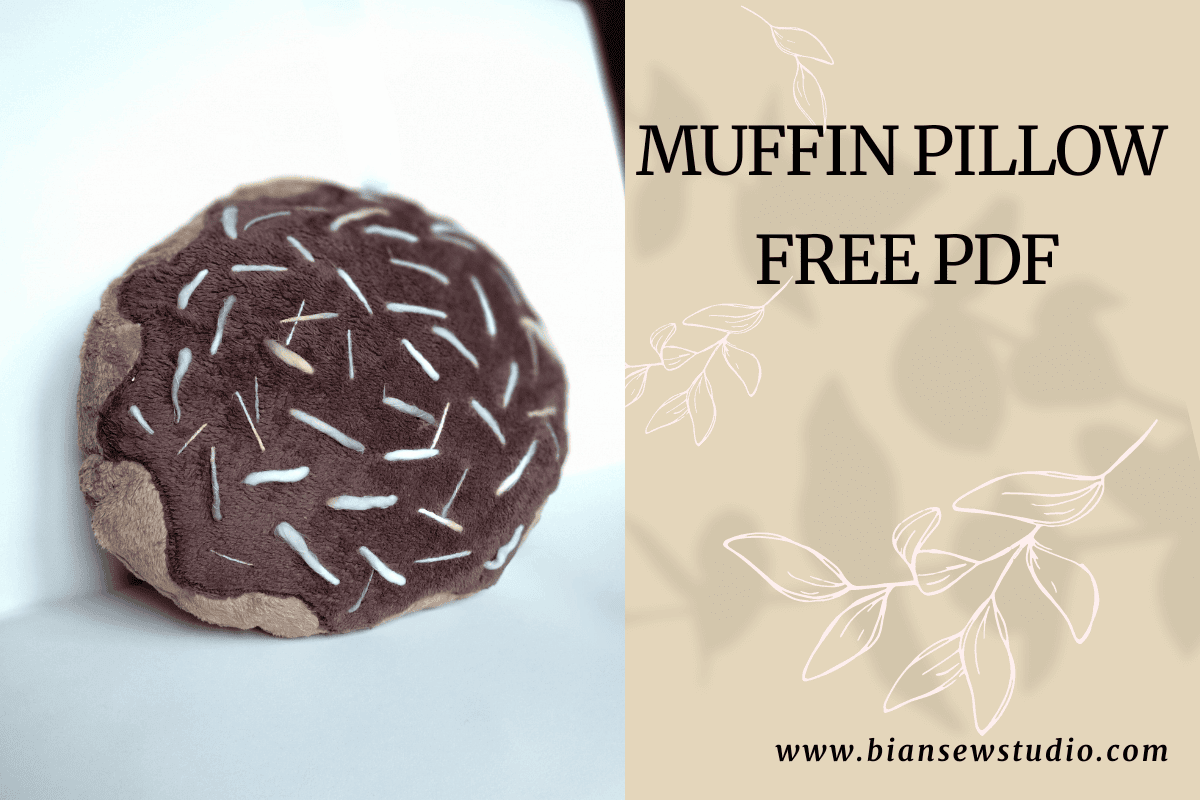
Donut Pillow

DIY Donut Pillow – A Cute and Cozy Addition to Any Room!

If you love handmade decorations and sweet donuts, this project is perfect for you! This donut-shaped pillow is not only super cute but also soft and comfy, making it a great addition to a child’s room or a fun, unique gift. Plus, it’s easy to make, so even beginners can sew it without trouble!

🧵 Why is this pillow special?

  • Unique, handmade decor piece

  • Soft and huggable fabric

  • A creative gift idea for kids and adults alike

  • Perfect for beginner sewists!

How to make it?

1️⃣ Cut the fabric: Use the provided sewing pattern to cut the donut shape. Decorate one piece with icing fabric.
2️⃣ Sewing: Stitch the fabric pieces together along the edges.
3️⃣ Stuffing: Fill it with soft polyester stuffing to make it extra plush.
4️⃣ Finishing touches: Close the final opening by hand, and enjoy your adorable donut pillow!

This pillow is perfect for a child’s bedroom, a playroom, or as a fun and cheerful gift. Try making one and bring a touch of sweetness into your home! 🍩✨

📸 I’d love to see your finished creations! Send me your photos or tag me in your posts. Also, feel free to leave a comment in the section below – I’d love to hear your thoughts! 😊

Happy sewing! 🧵✨ #DIYsewing #FreePattern #HandmadeGift #BianSewStudio

Download it now and start creating something special!

The Sewing pattern seam allowance NOT included!

Sewing Notes

Here are some essential tips for a successful sewing project:

Choosing the Right Size & Fit

  • Always choose the size based on your body measurements, not your ready-to-wear size. Check the measurement chart included with the pattern.
  • If adjustments are needed, make them before cutting the fabric. Lengthen or shorten the pattern by slashing and spreading or overlapping the pieces, securing with tape.
  • For garments, check the ease allowance in the pattern. Some designs include negative ease (smaller than body measurements) for a snug fit, while others have extra room for comfort.

Fabric Recommendations

  • Choose a fabric that matches the pattern’s suggested stretch percentage (e.g., 50% stretch means 10 cm fabric should stretch to 15 cm).
  • Fabrics with poor recovery (not bouncing back after stretching) can result in wavy seams or a stretched-out garment. To prevent this, select a knit fabric with spandex/Lycra content.
  • Preshrink your fabric by washing and drying it the same way you will care for the finished project.

Cutting & Preparation

  • Iron your fabric before cutting to remove any creases. Use the correct heat setting based on the fiber content (low heat for synthetics, high heat for natural fibers).
  • When placing pattern pieces, ensure the grainline is parallel to the fabric selvage to maintain the correct drape.
  • Cut small, precise notches (about 1/8” or 0.3 cm) to avoid weakening the seam allowances.

Sewing & Finishing

  • Use a stretch or ballpoint needle for knit fabrics to avoid skipped stitches. If stitches are skipping, try a slightly larger needle size.
  • If seams appear wavy, try using a walking foot or adjusting the differential feed on an overlocker.
  • Use a stretch stitch or zigzag stitch to maintain flexibility in the seams. If seams crack under stress, check the stitch type and use polyester thread instead of cotton.
  • When pressing seams, lift the iron between sections instead of gliding it to prevent stretching out the fabric.

By following these guidelines, you’ll achieve a professional-looking finish and a well-fitting garment or accessory. Happy sewing! 🧵✂️

Leave a Reply

Related Articles